The New Normal, Hambach-Rhein River/DE
Shortlisted, IHK Aachen Ideenwettbewerb 2021
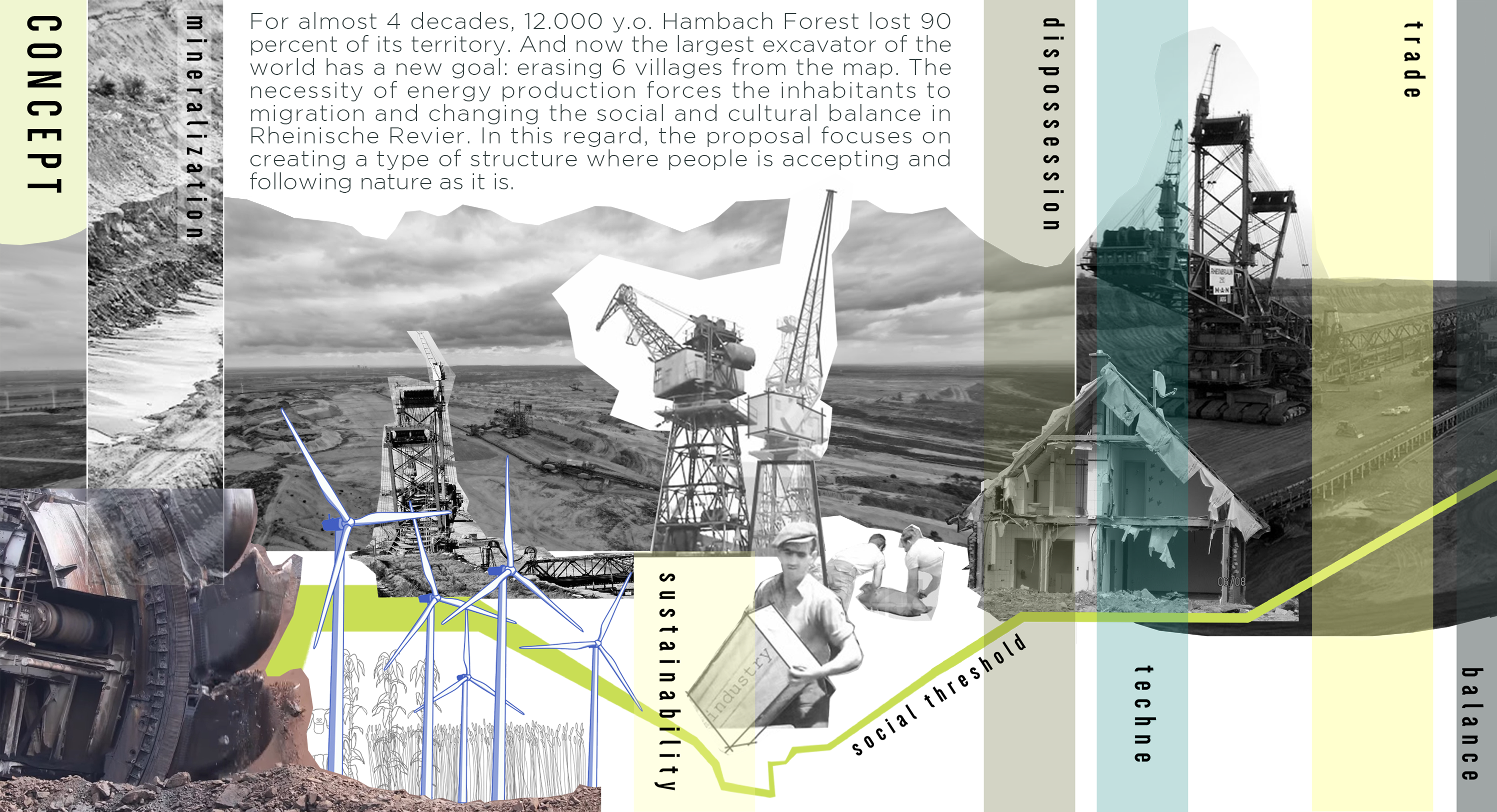
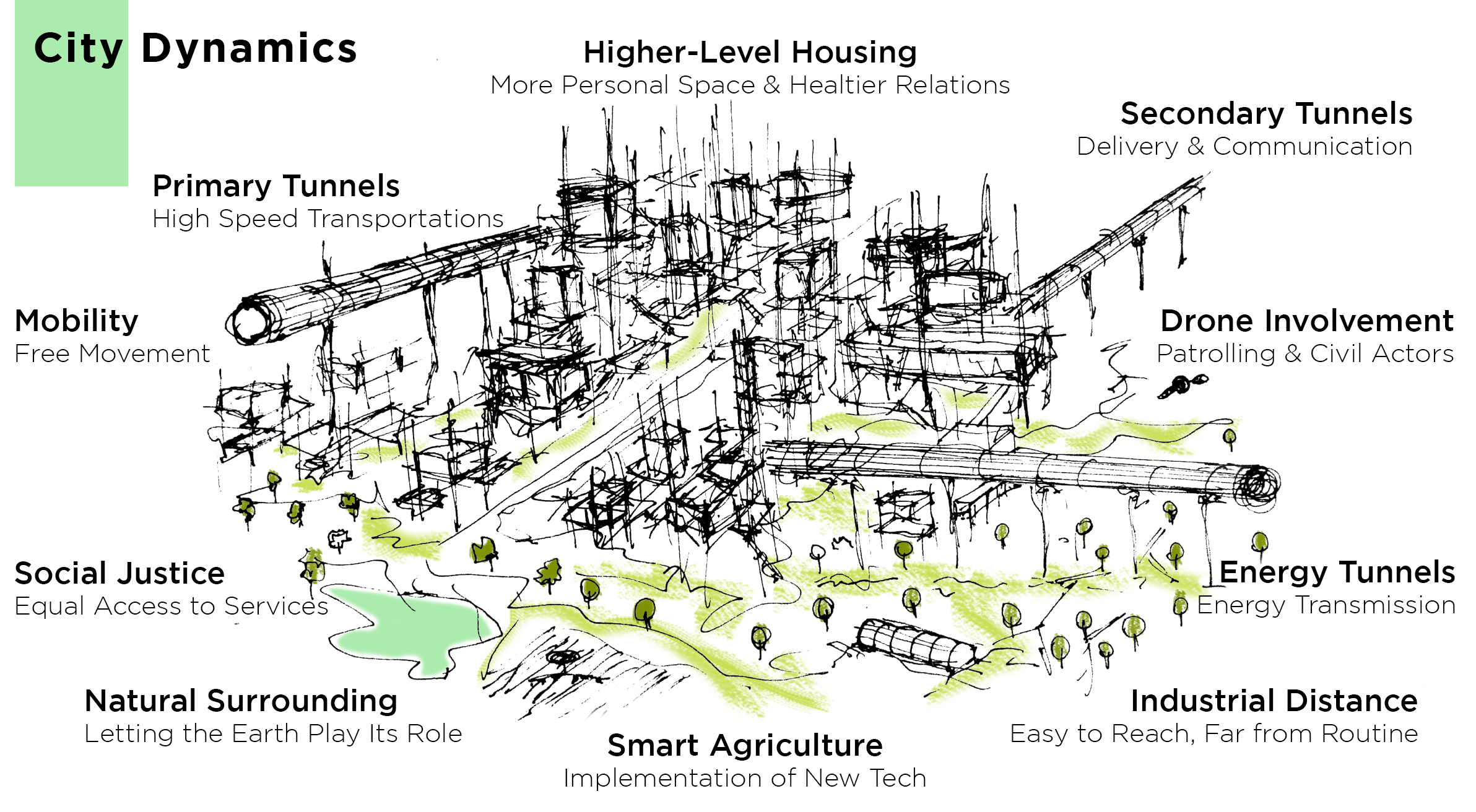
The project focuses on addressing the challenges faced by communities in the Hambach-Rheinisches Revier due to shifts in energy production and cultural dynamics. Highlighting the rapid changes caused by coal-based energy policies, which are set to render large areas unproductive by 2038, the project proposes a transformative solution "The New Normal." This concept introduces a vertical layering approach to urban planning across the region.
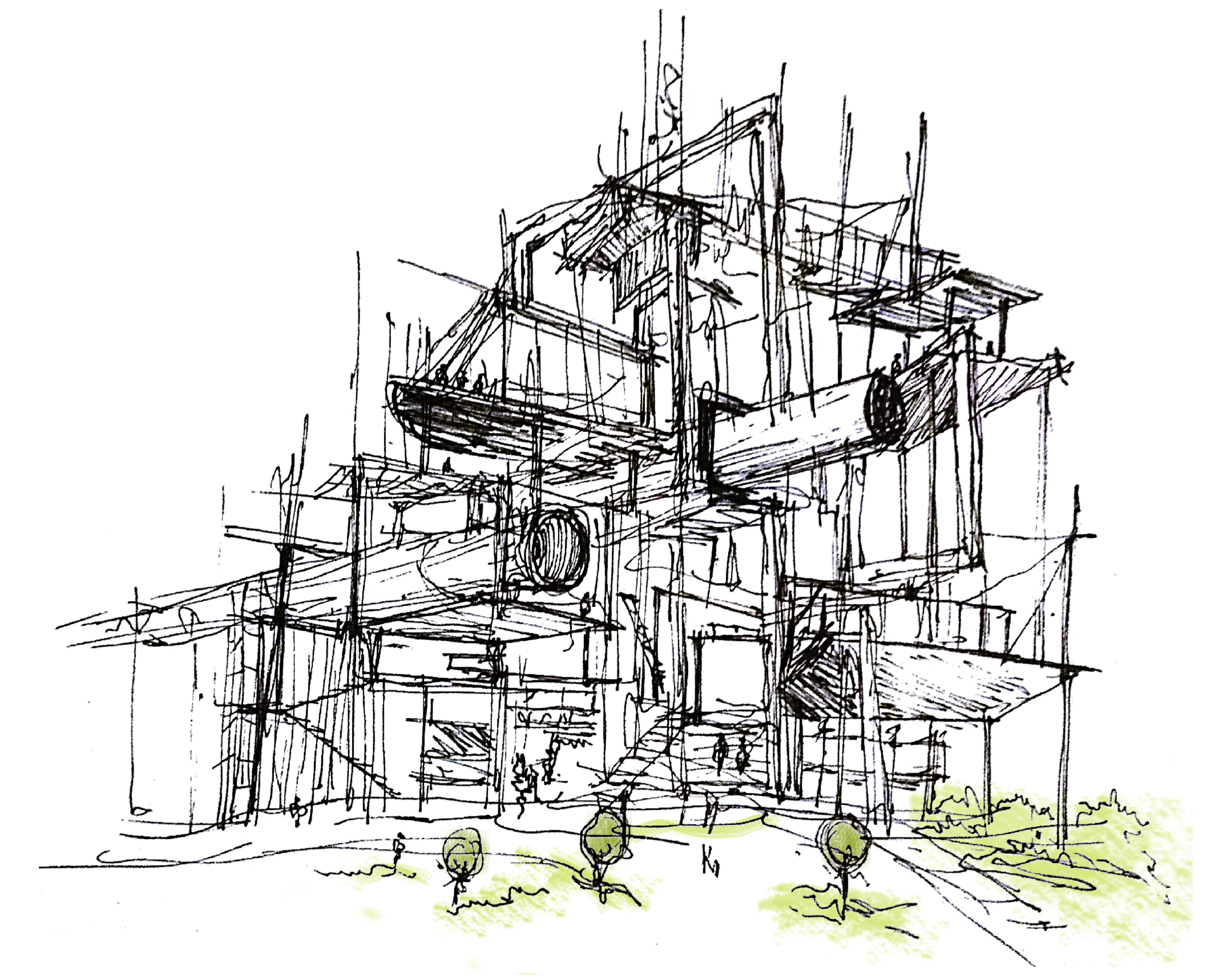
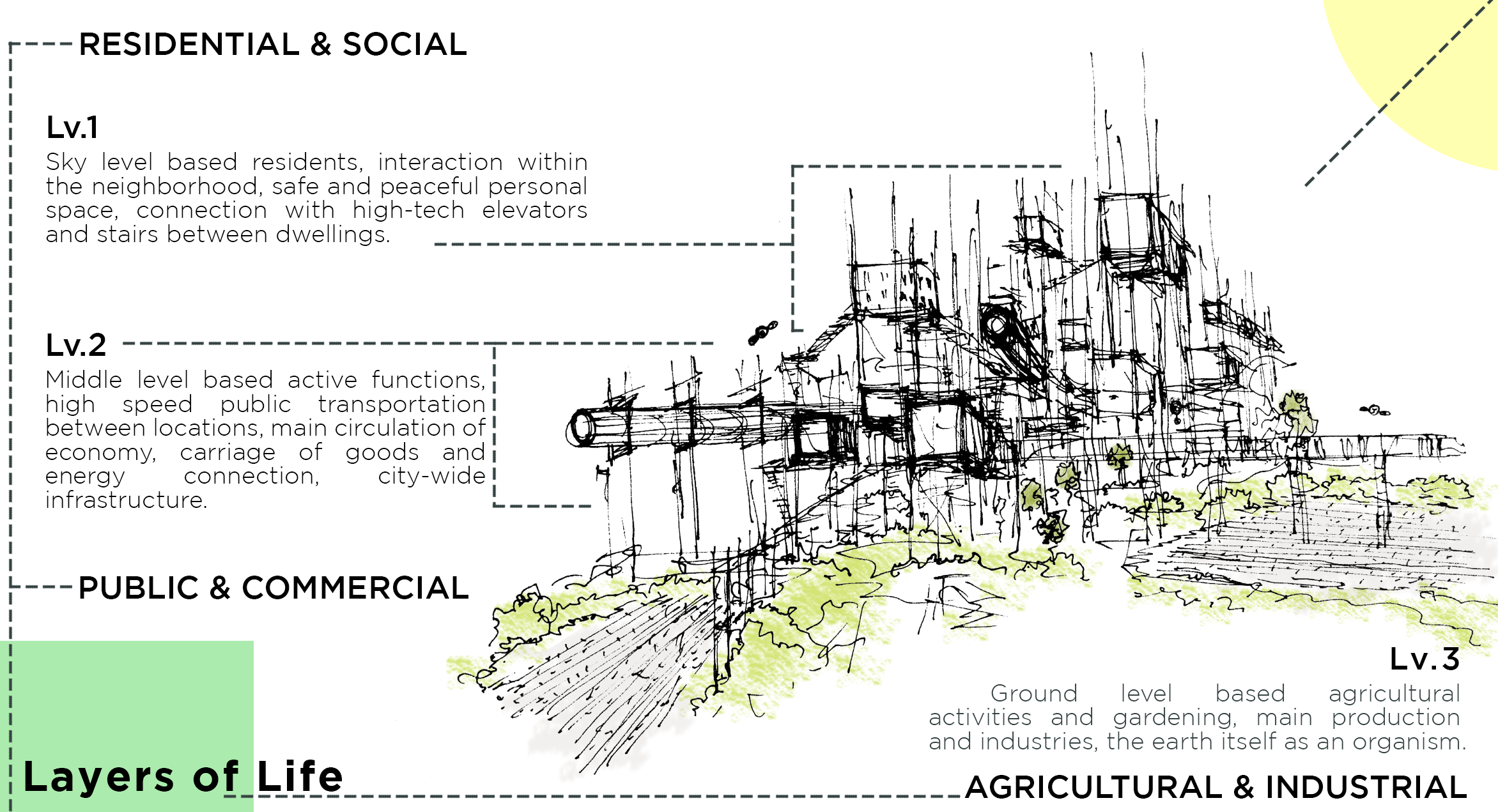
The project envisions three main layers: the sky-level residential and social zones, mid-level public and commercial areas and ground-level agricultural and industrial zones. Each layer is designed to operate independently while promoting interaction and sustainability. Key features include high-speed transportation tunnels, advanced drone technologies for daily tasks and smart agriculture integrating new farming technologies.
CoScreen, Istanbul/TR
Finalist (Top10), Sabanci Holding Concrete Ideas Competition
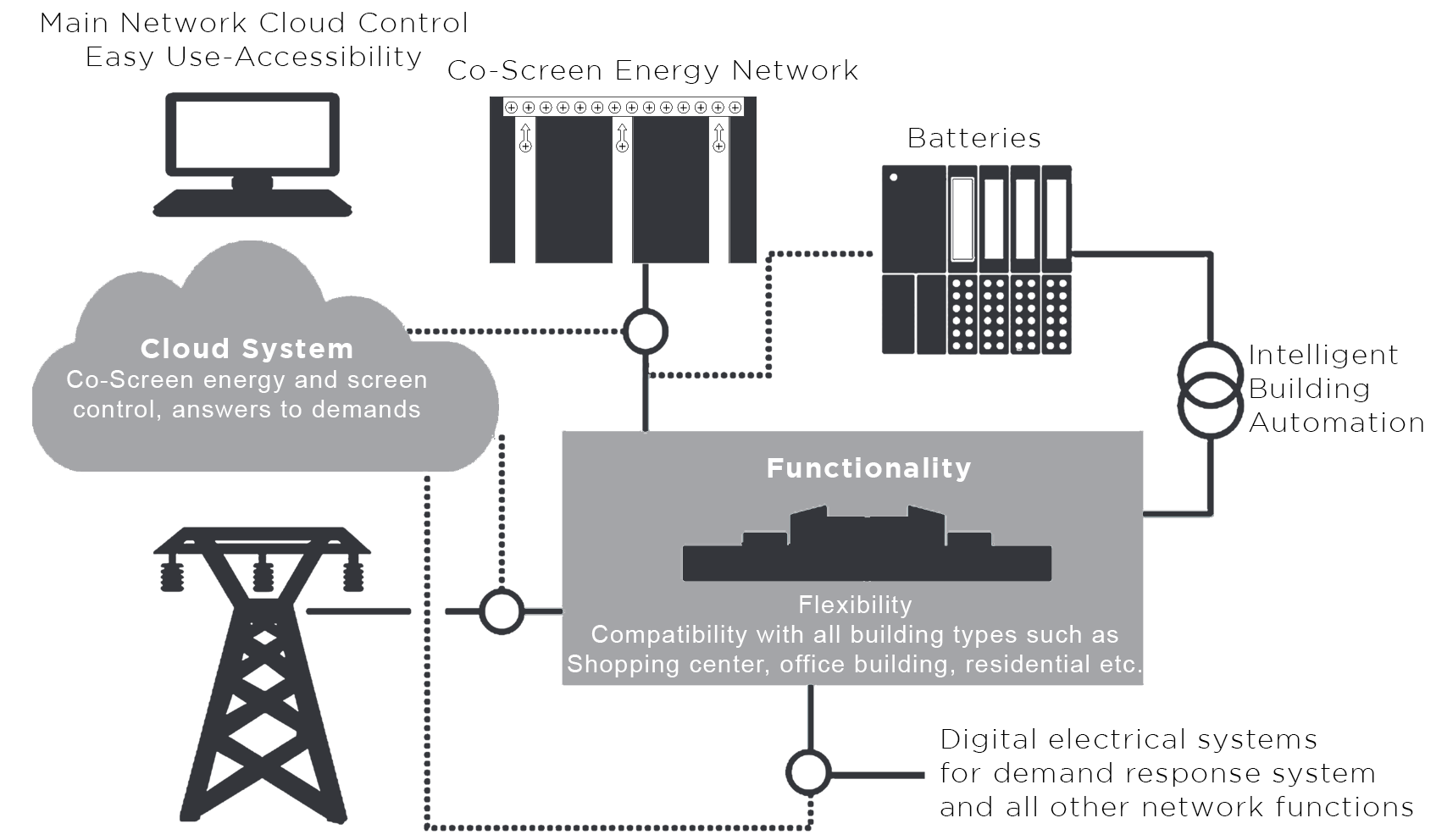
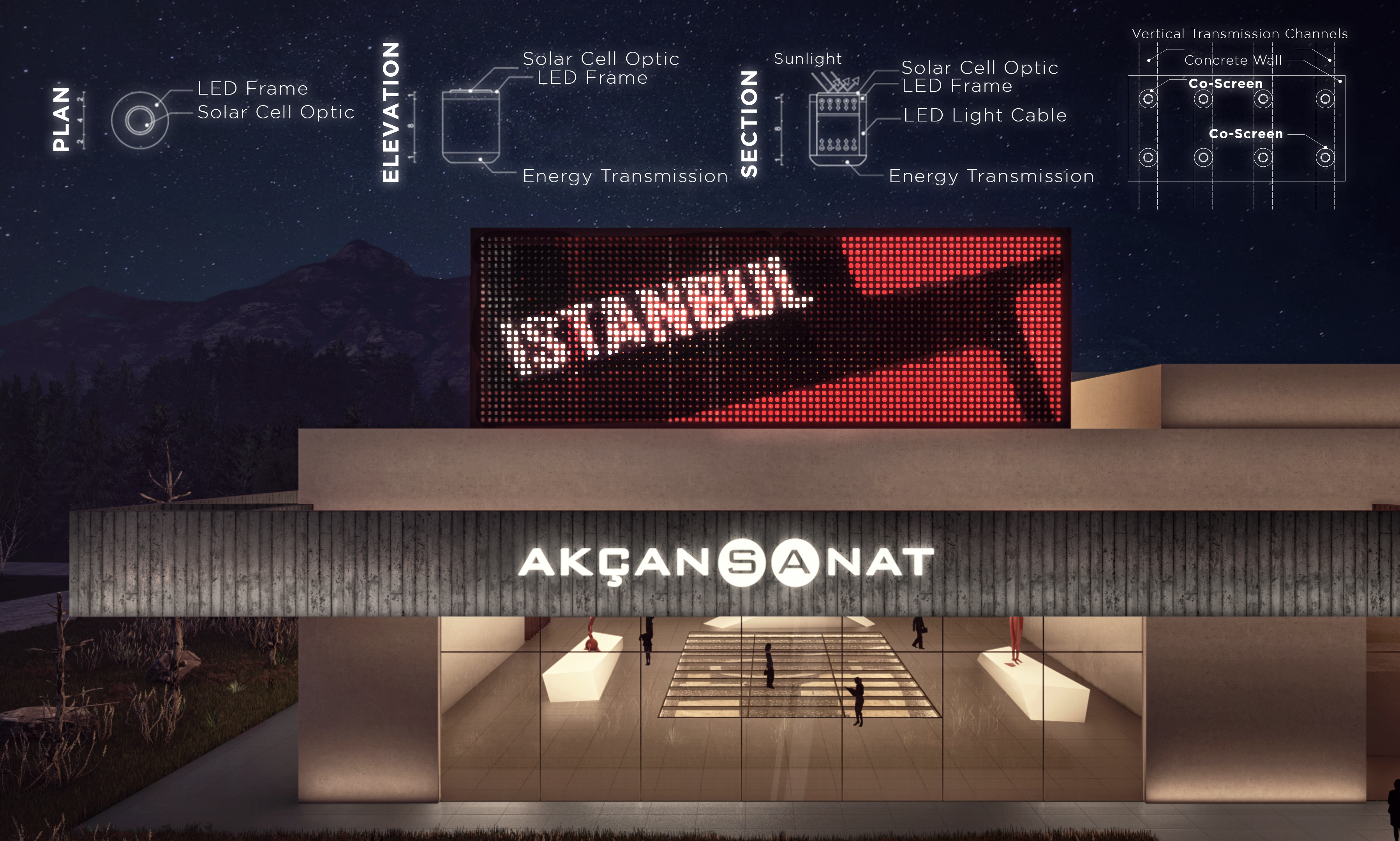
The project aims to address aesthetic concerns and energy issues by integrating solar panels as functional parts of buildings, rather than just placing them on roofs or facades. Its concept involves modular solar cells designed to capture sunlight from all angles across a building's surfaces. With solar cell efficiency exceeding 50%, the project not only allows buildings to generate their own energy but also enables energy storage, cloud technology for energy needs analysis and controlled energy distribution within buildings.
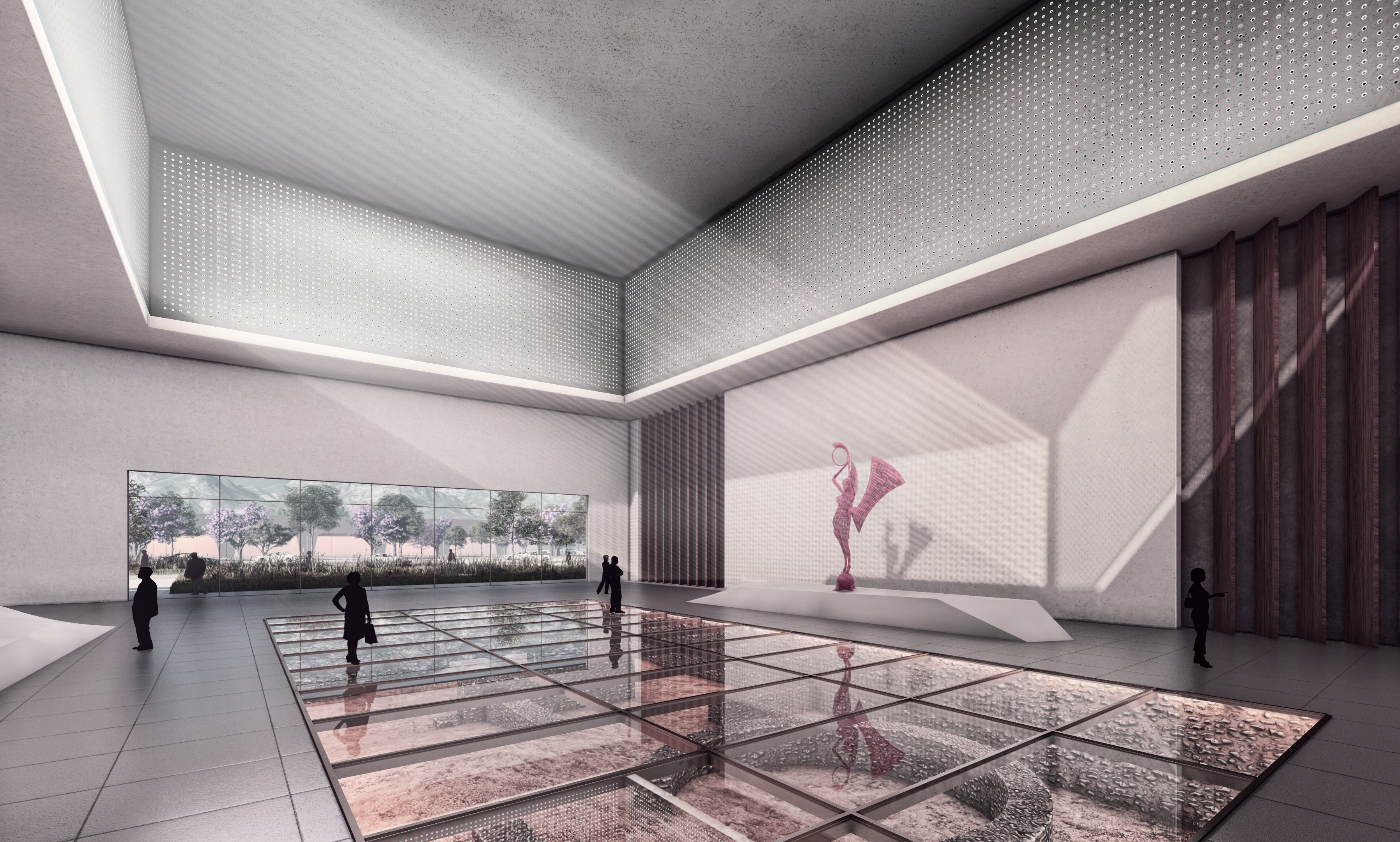
© 2019 CoScreen. Created by the author and the members of the team.
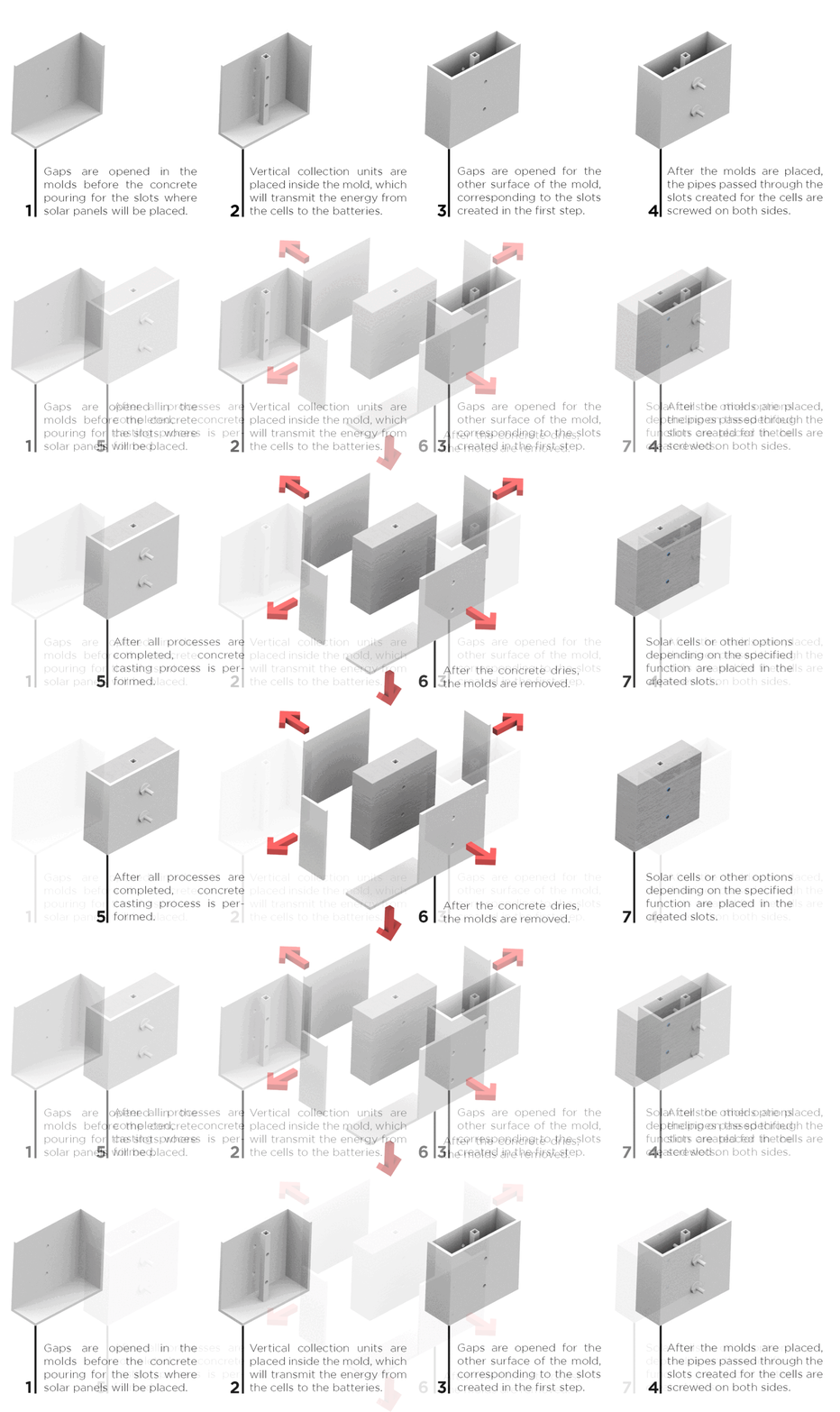
In addition to harnessing solar energy, the "CoScreen" project enhances building and user quality of life through natural lighting and ventilation options. Modules integrated into mold-created voids serve as energy collectors, while plexiglass and perforated modules allow for air and light passage. Once installed on facades, these modules, equipped with LED frames, transform concrete walls into screens.
Production Process
Cloud Technology Network
Beyond technical specifications, CoScreen focuses on social sustainability by fostering human interaction. Specifically designed for deaf facades, the interactive modules are surrounded by 2cm LED light strips, turning blank walls into colorful digital screens that users can customize with their preferred colors and designs. Controlled via the cloud, this smart display system supports a variety of applications from advertising to interactive visual displays, responding to user creativity and enhancing architectural versatility.
Interactive Screen / Cell Details
Dadybra Auditorium, Karabuk/TR
Jury Special Reward, MimED2018 National Student Competition
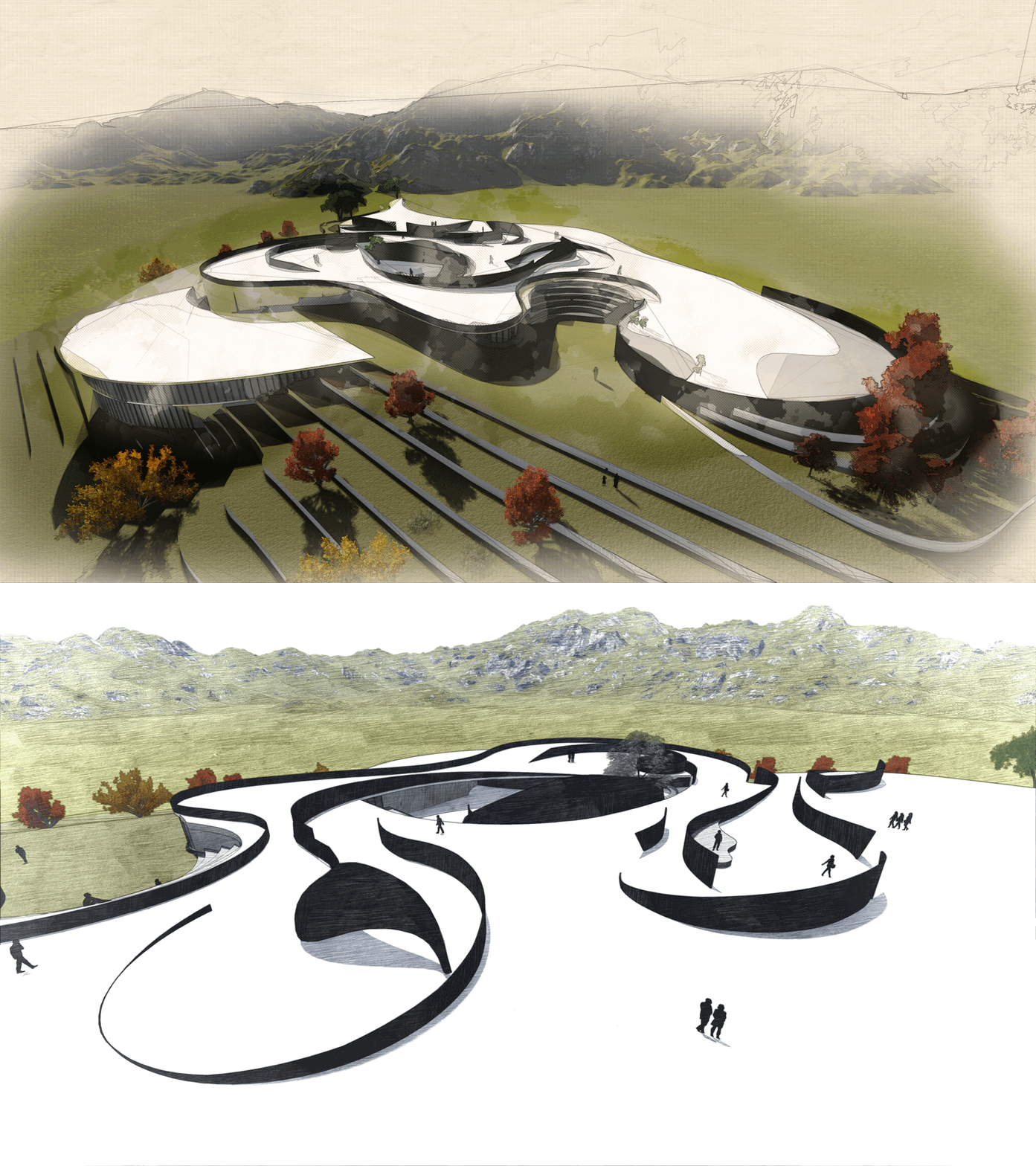
The project is located in the central district of Karabuk, serving as a transition hub between the city center, New City neighborhood and the bus station. The aim was to transform an idle land into a more social and functional area. The design integrates topographic features with a linear, open and semi-open layout, creating a dynamic space.
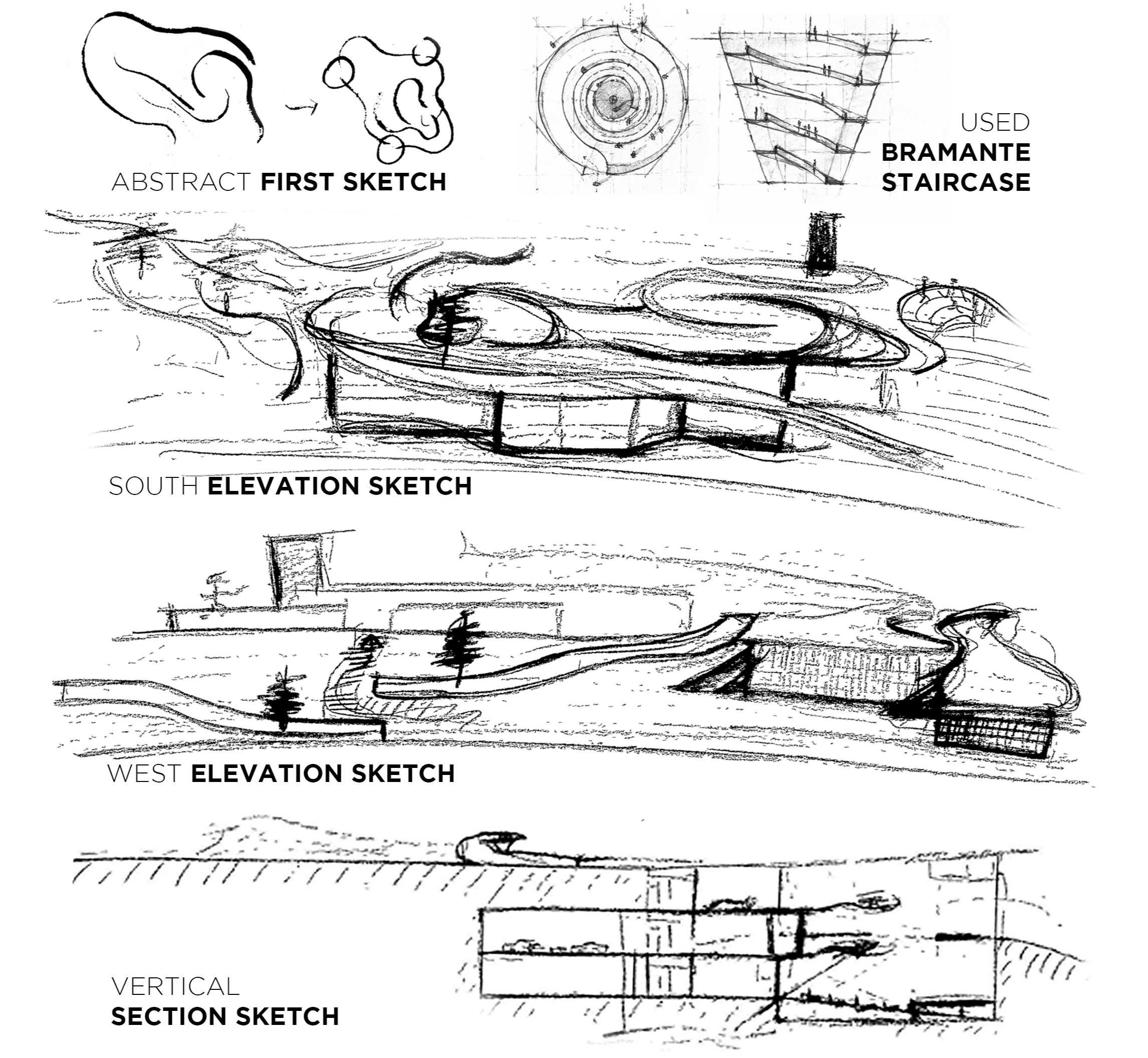
The project includes various functional areas such as an auditorium, administrative units, a restaurant, technical units and backstage facilities. Secondary masses house educational units accessible via ramps, featuring workshops, meeting rooms and changing rooms. The foyer and exhibition units are arranged as semi-open and closed areas. Additionally, the open spaces feature a street theater, graffiti walls, a skateboard area, cruise areas with three monumental trees, a concert area, an amphitheater and open exhibition areas.
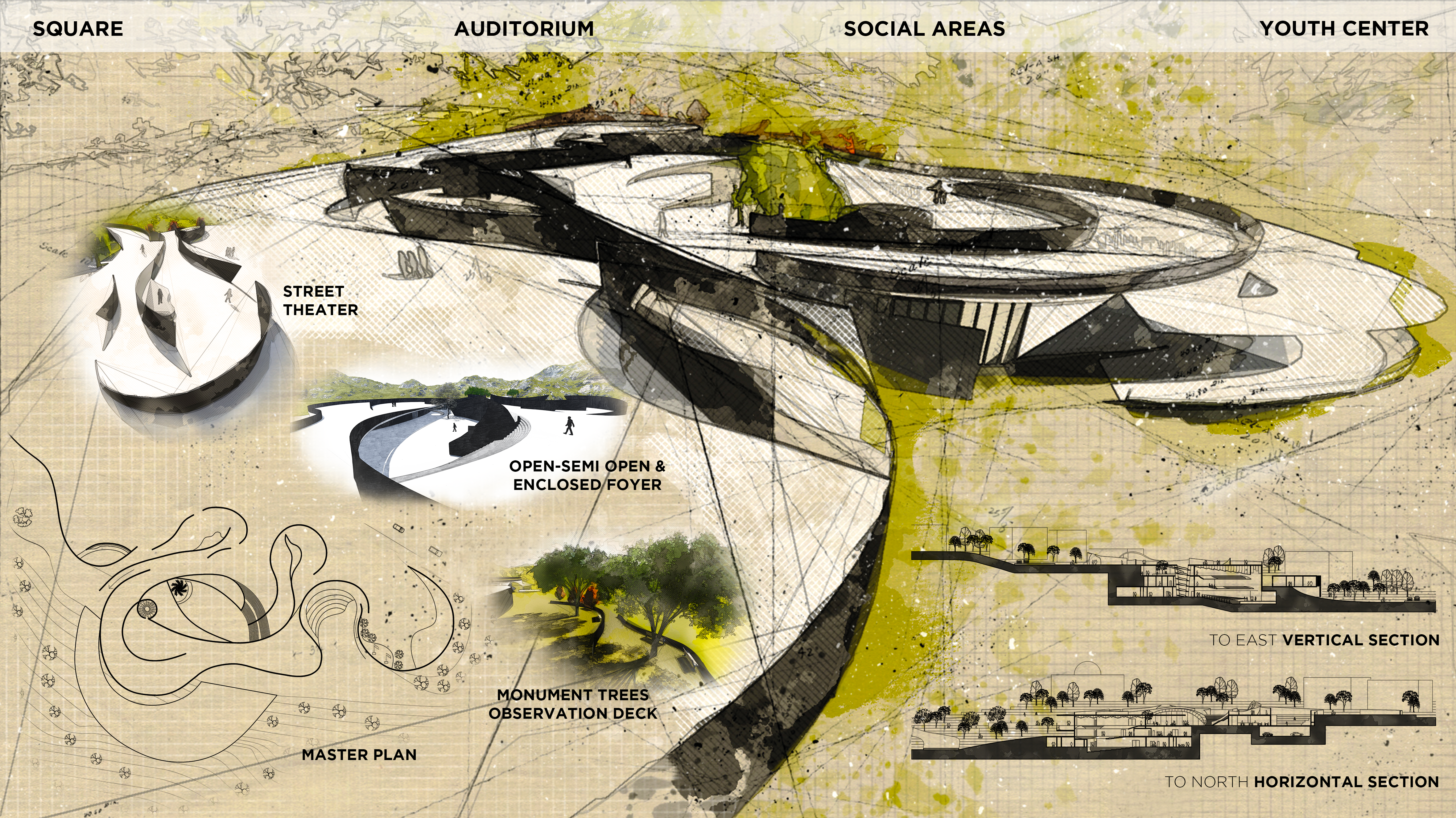
The design considers topography, lighting, prevailing winds, and user density to enhance the flow of young people from the central street to the New City line. The project aims to integrate the square with the city, supported by fluid mass lines and successive lines on the master plan. The facades feature open and semi-open slits, creating a transition structure that supports user freedom and interaction.